Cottage Cheese Cinnamon Rolls
If you're a fan of warm cinnamon rolls, creamy frosting, and high protein breakfast recipes that still taste like a treat, you're in for a delicious surprise!
by Theo Lindqvist · July 2, 2026
Jump to recipe ↓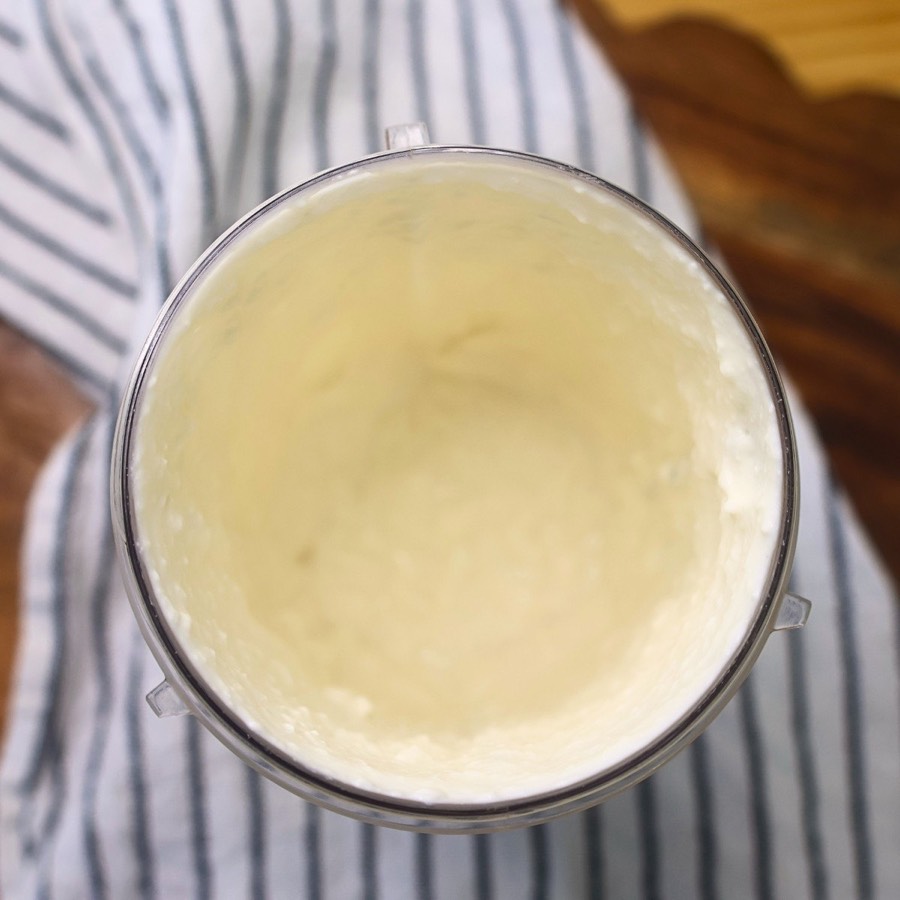
Learn how to make the easiest Cottage Cheese Cinnamon Rolls with a soft homemade dough, a buttery cinnamon sugar filling, and a simple cream cheese glaze.
- Fast. No yeast means there is no lengthy rising time.
- Easy. Blend the cottage cheese, make the dough, fill, roll, and bake.
- High Protein. Cottage cheese adds extra protein while helping create a soft, tender dough.
- Delicious. Warm cinnamon filling and sweet cream cheese frosting make every bite irresistible.
With the comfort of a traditional cinnamon roll and the convenience of a no-yeast dough, these cottage cheese cinnamon rolls are perfect when you want a homemade breakfast without spending hours waiting for dough to rise.
Cottage cheese can be used in baking to add moisture, protein, and richness without requiring a large amount of butter or oil. Once blended, it becomes smooth and creamy, making it easy to incorporate into doughs and batters.
In this recipe, blended cottage cheese helps bind the dough while keeping the cinnamon rolls tender. It also gives the dough enough moisture to roll out easily without making it excessively sticky.
The mild flavor blends into the other ingredients, allowing the cinnamon, brown sugar, vanilla, and frosting to remain the stars of the recipe.
No. Once the cottage cheese is blended and mixed into the dough, its flavor becomes very subtle.
The baked rolls taste buttery, sweet, and warmly spiced. Most people would never guess that cottage cheese is one of the main ingredients unless you told them.
For the smoothest dough and mildest flavor, blend the cottage cheese until no visible curds remain.
- Cottage Cheese- The key ingredient in the dough. It adds protein, moisture, and richness while helping the cinnamon rolls stay soft. Full-fat cottage cheese usually gives the richest texture, but reduced-fat cottage cheese can also work.
- All-Purpose Flour- Provides structure and turns the blended cottage cheese into a soft, workable dough.
- Baking Powder- Helps the rolls rise without yeast, keeping the preparation quick and simple.
- Granulated Sugar- Adds a touch of sweetness to the dough and balances the tanginess of the cottage cheese.
- Salt- Enhances the flavor of the dough and balances the sweetness of the filling and frosting.
- Vanilla Extract- Adds warmth and a bakery-style flavor to the dough and filling.
- Unsalted Butter- Creates a rich base for the filling and helps the cinnamon sugar stick to the dough.
- Brown Sugar- Melts as the rolls bake, creating a sweet caramel-like filling between the layers.
- Ground Cinnamon- Adds the signature warm spice that makes cinnamon rolls so comforting.
- Cream Cheese- Creates a rich, tangy frosting that balances the sweetness of the rolls.
- Powdered Sugar- Sweetens and thickens the frosting while helping it become smooth.
- Milk- Thins the frosting to the perfect spreading or drizzling consistency.
Blend the Cottage Cheese. Add the cottage cheese and vanilla extract to a blender or food processor. Blend until completely smooth and creamy.
Make the Dough. In a large mixing bowl, combine the flour, baking powder, granulated sugar, and salt. Add the blended cottage cheese and stir until a shaggy dough forms. Transfer the dough to a lightly floured work surface and gently knead it a few times until smooth.
Roll Out the Dough. Use a rolling pin to roll the dough into a rectangle approximately 10 by 14 inches.
Add the Filling. Mix the softened butter, brown sugar and cinnamon together. Spread the softened butter mixture evenly over the surface of the dough, leaving a small border around the edges.
Roll and Slice. Starting with one of the longer sides, carefully roll the dough into a tight log. Use a sharp knife or unflavored dental floss to cut the log into eight evenly sized rolls.
Bake the Cinnamon Rolls. Arrange the rolls in a greased baking dish, leaving a little room between them. Bake at 350°F for 22 to 26 minutes, or until the rolls are puffed and lightly golden. Avoid overbaking them, since that can dry out the dough.
Frost and Serve. Whisk together the cream cheese, powdered sugar, milk, and vanilla until smooth. Spread the frosting over the cinnamon rolls while they are still slightly warm so it softens and settles into the spirals.
Making cottage cheese cinnamon rolls is simple, but these tips will help you get soft, evenly baked rolls every time:
- Blend Until Completely Smooth. Continue blending the cottage cheese until no visible curds remain. A smooth base produces a smoother dough.
- Measure the Flour Carefully. Too much flour can make the dough dry. Spoon the flour into the measuring cup and level it instead of packing it tightly.
- Do Not Overwork the Dough. Mix and knead only until the dough comes together. Overmixing can create dense cinnamon rolls.
- Flour the Surface Lightly. Use enough flour to prevent sticking, but avoid adding too much additional flour to the dough.
- Use Softened Butter. Softened butter spreads over the dough more easily than cold butter and is less likely to tear the surface.
- Cut Evenly Sized Rolls. Uniform rolls bake more consistently. Mark the dough log before slicing if needed.
- Do Not Overbake. Remove the rolls when they are set and lightly golden. They will continue cooking slightly as they cool in the pan.
If you love these high protein cinnamon rolls, try one of these easy variations:
- Apple Cinnamon Rolls- Scatter finely diced apples over the cinnamon sugar before rolling the dough.
- Chocolate Cinnamon Rolls- Add mini chocolate chips to the filling for pockets of melted chocolate.
- Maple Cinnamon Rolls- Replace some of the milk in the frosting with maple syrup for a warm maple flavor.
- Pumpkin Spice Cinnamon Rolls- Replace part of the cinnamon with pumpkin pie spice for a cozy fall variation.
- Orange Cinnamon Rolls- Add orange zest to the dough and frosting for a fresh citrus twist.
- Nutty Cinnamon Rolls- Sprinkle chopped pecans or walnuts over the filling before rolling.
These cinnamon rolls make a delicious breakfast or brunch centerpiece. Here are some easy ways to complete the meal:
- Fresh Fruit- Serve them with berries, melon, or sliced oranges for a light and refreshing contrast.
- Scrambled Eggs- Savory eggs help balance the sweetness and add even more protein to breakfast.
- Air Fryer Sausage- The salty, savory flavor of sausage pairs beautifully with warm cinnamon rolls.
- Coffee or Tea- A hot drink makes these soft, spiced rolls feel especially cozy.
- Greek Yogurt- Serve a small bowl of yogurt and fruit alongside the rolls for a balanced brunch plate.
Store leftover cottage cheese cinnamon rolls in an airtight container in the refrigerator for up to 4 days.
Because both the dough and frosting contain dairy, refrigeration is the safest storage option. Reheat an individual roll in the microwave for 15 to 20 seconds, or warm several rolls in a covered baking dish at 300°F until heated through.
For the best texture, avoid overheating them. Too much heat can cause the rolls to become dry.
Yes, cottage cheese cinnamon rolls freeze well.
Let the baked rolls cool completely before placing them in a freezer-safe container. Freeze them with or without the frosting for up to 2 months.
For the freshest flavor and appearance, consider freezing the rolls unfrosted and adding freshly made frosting after reheating.
Thaw overnight in the refrigerator, then warm them in the oven or microwave before serving.
Yes. Either small curd or large curd cottage cheese will work because it is blended before being mixed into the dough.
Full-fat cottage cheese generally creates the richest and most tender cinnamon rolls. Reduced-fat cottage cheese can also be used, but fat-free cottage cheese may produce a slightly drier dough.
The amount of moisture in cottage cheese can vary by brand. If the dough is excessively sticky, add flour one tablespoon at a time until it is manageable. Avoid adding more flour than necessary.
- TikTok Cinnamon Rolls
- Chocolate Cinnamon Rolls
- Blueberry Cinnamon Rolls
- Apple Cinnamon Rolls
- Pumpkin Cinnamon Rolls
Pin It!
If you love these Cottage Cheese Cinnamon Rolls as much as we do, make sure you share them with your friends on Facebook and Instagram so they can try them too! Don't forget to Pin the recipe so you can make it again soon.
Cottage Cheese Cinnamon Rolls
You'll need
Let's make it
- Add the cottage cheese and vanilla extract to a blender or food processor. Blend until completely smooth and creamy.
- In a large mixing bowl, combine the flour, baking powder, granulated sugar, and salt. Add the blended cottage cheese and stir until a shaggy dough forms. Transfer the dough to a lightly floured work surface and gently knead it a few times until smooth.
- Use a rolling pin to roll the dough into a rectangle approximately 10 by 14 inches.
- Mix the softened butter, brown sugar and cinnamon together. Spread the softened butter misture evenly over the surface of the dough, leaving a small border around the edges.
- Starting with one of the longer sides, carefully roll the dough into a tight log. Use a sharp knife or unflavored dental floss to cut the log into eight evenly sized rolls.
- Arrange the rolls in a greased baking dish, leaving a little room between them. Bake at 350°F for 22 to 26 minutes, or until the rolls are puffed and lightly golden. Avoid overbaking them, since that can dry out the dough.
- Whisk together the cream cheese, powdered sugar, milk, and vanilla until smooth. Spread the frosting over the cinnamon rolls while they are still slightly warm so it softens and settles into the spirals.